
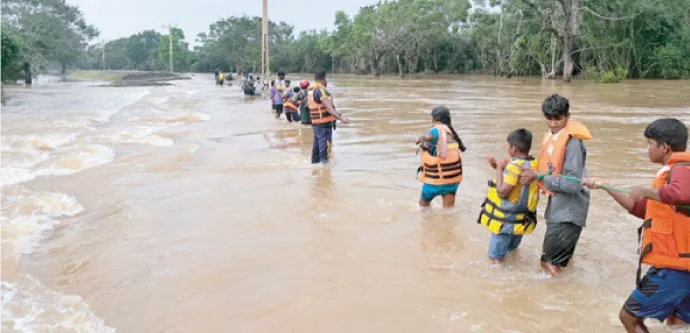
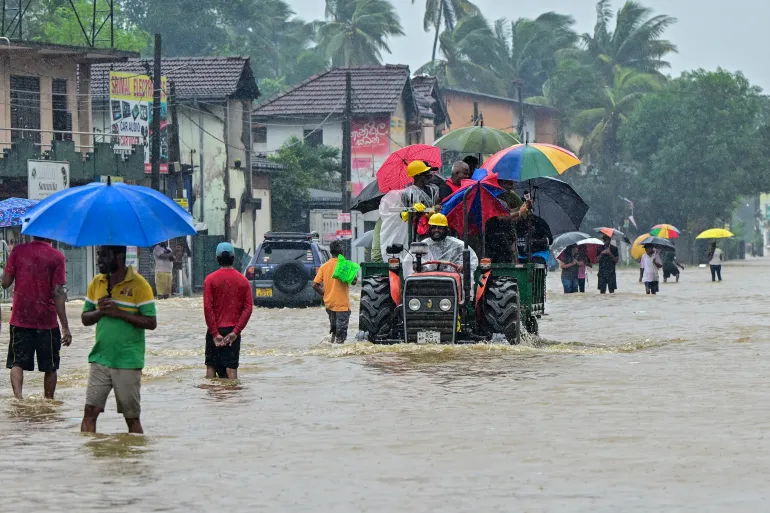
On November 28th, 2025, Sri Lanka was struck by Cyclone Ditwah, which led to one of the country’s most severe flood disasters in the past 20 years. UNICEF Sri Lanka Humanitarian Situation Report No. 4 (Cyclone Ditwah) and United Nations Development Programme in collaboration with Sri Lanka’s Disaster Management Centre report the cyclone triggered widespread flooding and landslides across all 25 districts, affecting approximately 2.2 million people, damaging over 100,000 homes, and displacing more than 230,000 individuals at the height of the emergency. As of mid-December 2025, 643 fatalities were reported, with 183 people still missing.
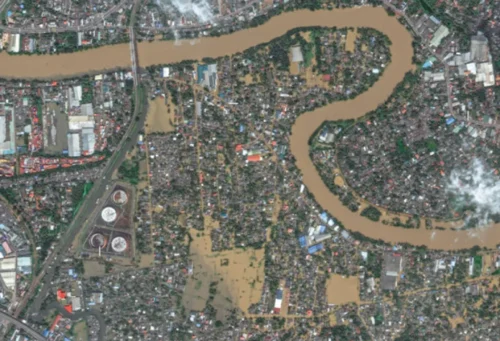
The disaster disproportionately impacted densely populated urban areas and highly vulnerable rural and hill country communities. Colombo District recorded the highest exposure, with more than 150,000 individuals affected due to high population density in low-lying, flood-prone areas. Simultaneously, districts such as Badulla, Kegalle and Nuwara Eliya experienced severe landslides that isolated rural communities and disrupted access to essential services. Pre-existing socioeconomic vulnerabilities further intensified the humanitarian impact, transforming the crisis into a potentially prolonged recovery challenge.
Images courtesy of UNDP and SL DMC:
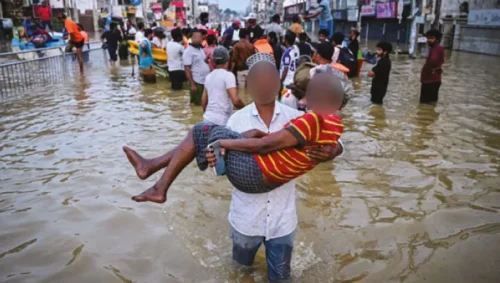
Recognising the urgent and widespread need, the Malaysian Ceylonese Congress (MCC), BAC Education, GiveBACk.my and Uplift, supported by the High Commission of Sri Lanka in Malaysia, came together, united by compassion and a shared commitment to aid those struck by this disaster. We mobilised swiftly to work with our community partners on ground in Sri Lanka to deliver essential relief items, support community kitchens, assist rescue efforts, and bring hope to affected families across many parts of the country.
0
Sri Lankans assisted across urban, rural, coastal and hill country communities
0
rescued wild and domestic animals fed
RM0
worth of humanitarian aid delivered
- Emergency relief provided across 30+ high-impact locations
- Targeted support for both flood-affected lowlands and landslide-affected highlands
- Phase 1: Emergency relief (food, water, hygiene supplies, rescue support)
- Phase 2: Early recovery (household cleaning assistance, debris clearing and home starter packs)
Phase 1 focused on the rapid delivery of life-saving assistance, including food, clean water, hygiene supplies and emergency relief during the most critical phase of the disaster.
Areas Covered:
- Armour Street
- Athurugiriya
- Badulla
- Batticaloa
- Chilaw
- Dankottuwa
- Demodara
- Dikowita
- Gampola
- Gemunupura, Aliwatte
- Hanwella
- Hunupitiya
- Ja-Ela
- Kadugannawa
- Kalpitiya
- Kandy
- Kegalle
- Kelaniya
- Kilinochchi
- Kolonnawa
- Mannar
- Matale
- Morakanda
- Navatkuli
- Nawagamuwa
- Nochchiyagama
- Nuwara Eliya
- Orugodawatte
- Trincomalee
- Wellampitiya
- Wennappuwa
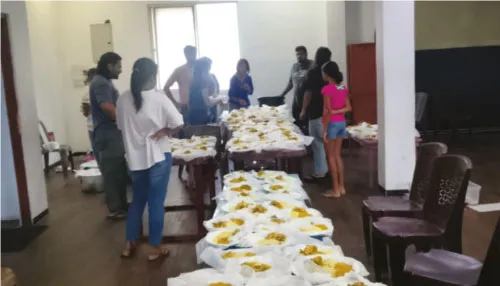
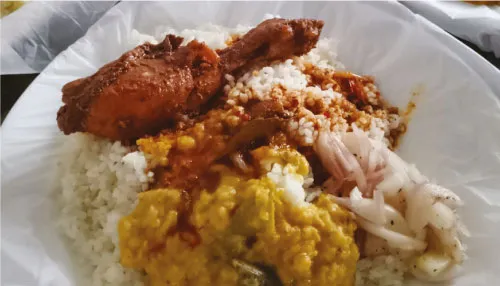
Hot meals were provided to 1,850 displaced individuals who have been struggling with food insecurity since the cyclone struck.
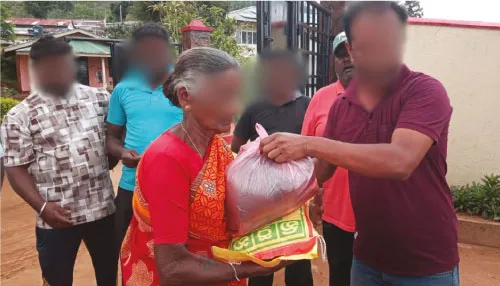
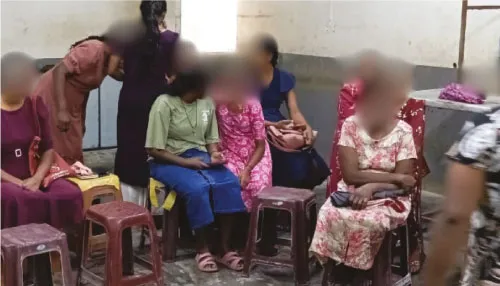
Essential clothing for 300 children and adults was purchased and delivered to families in Mannar and Kalpitiya.
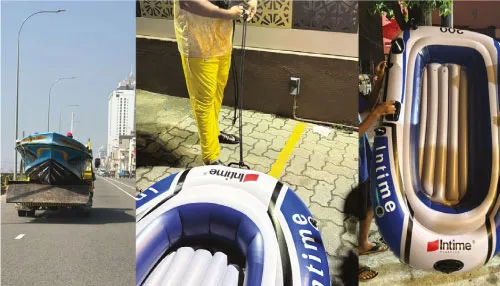
Uplift’s partners in Sri Lanka rented boats to assist in the rescue and evacuation of stranded victims.
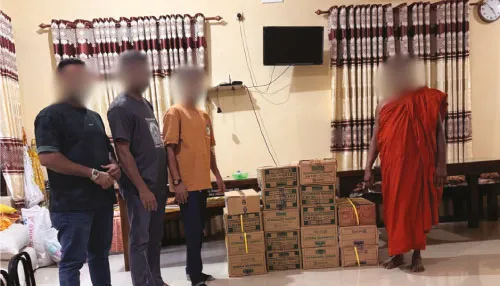
A full set of schoolbooks and stationery provided to 125 affected students in Gampola.
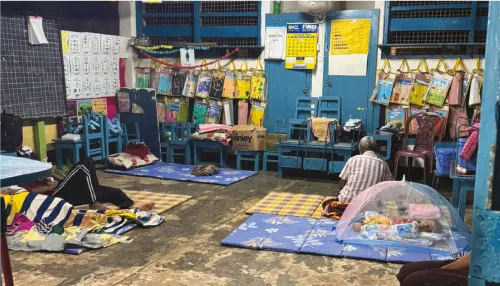
1,000 bed sheets were procured and delivered to The Mother of Refuge St Mary’s Church in Tudalle.
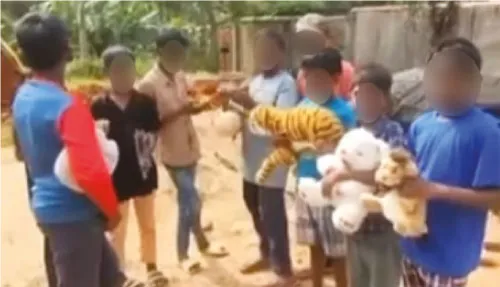
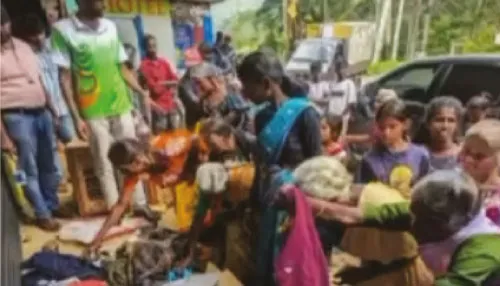
Essential aid was successfully delivered to 40 flood-affected families in Kandy.
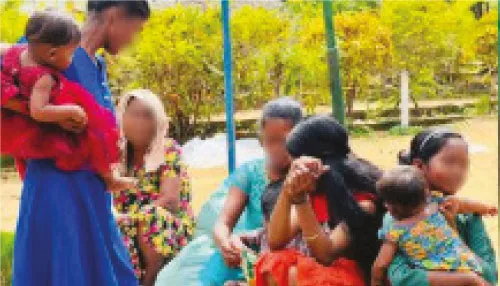
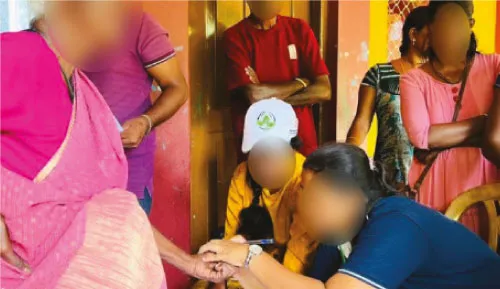
100 dry-food packs (each containing vital staples) were distributed to families in Valaithoddam Village, Trincomalee.
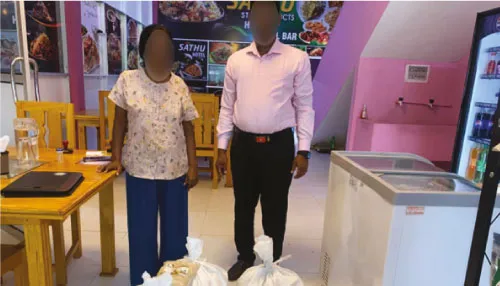
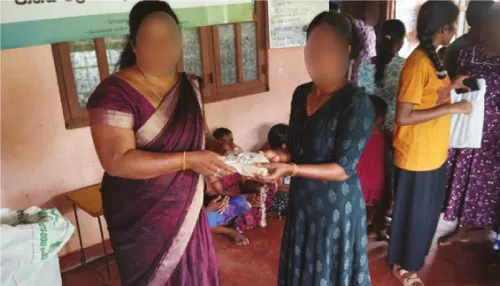
200 families in Mullaitivu were provided with 1kg packets of Nutrimix (Sathu Maa) sourced from local women producers rather than large-scale manufacturers to support community-based suppliers.
A major relief consignment was deployed to Badulla, supporting 300 families displaced by landslides. Items distributed included:
- 1,000 litres of drinking water
- 560 kg of rice
- 425 kg of dhal
- 225 kg of sugar
- 210 kg of soya
- 61 kg of canned fish
- 7 kg of sprats
- 6 kg of milk powder
- 5 kg of Nestomalt
- 40 hygiene packs
- 575 packs of sanitary pads
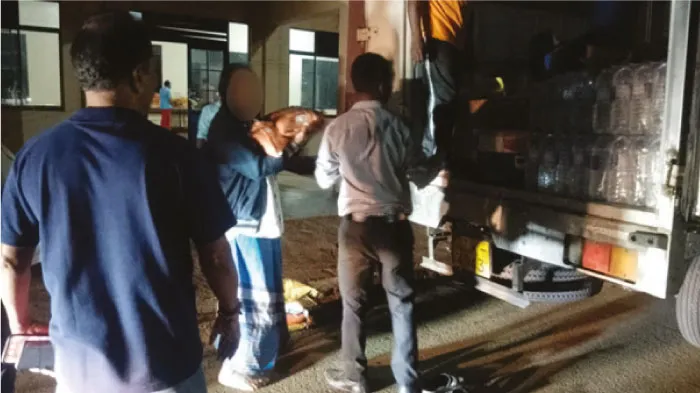
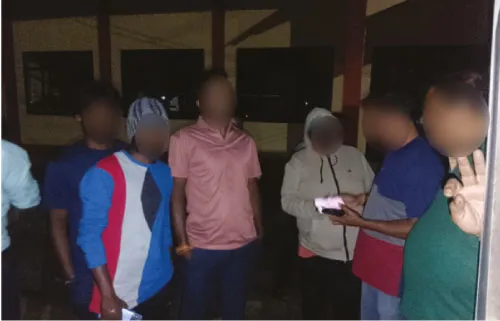
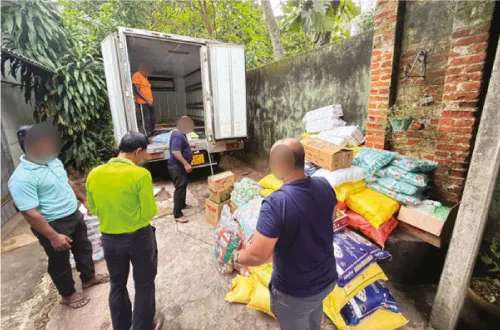
Phase 2 supported early recovery and household stabilisation, enabling families to return safely to their homes and resume daily routines.
Cleaning packs were distributed to support sanitation and safe reoccupation of flood-affected homes.
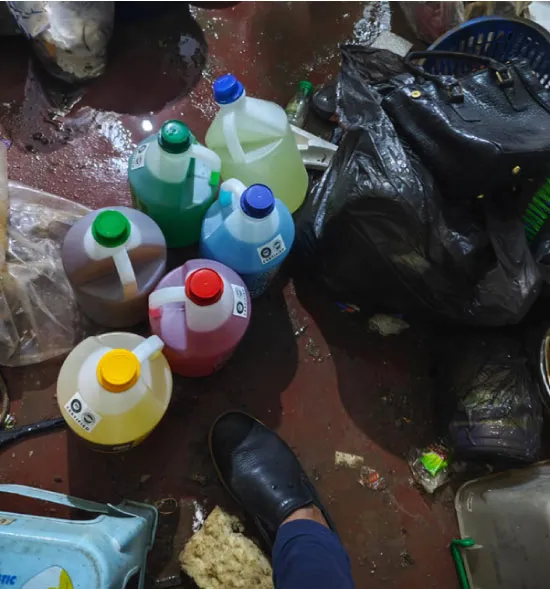
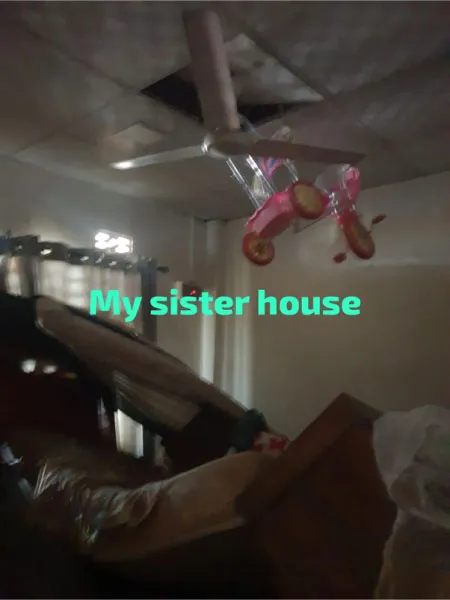
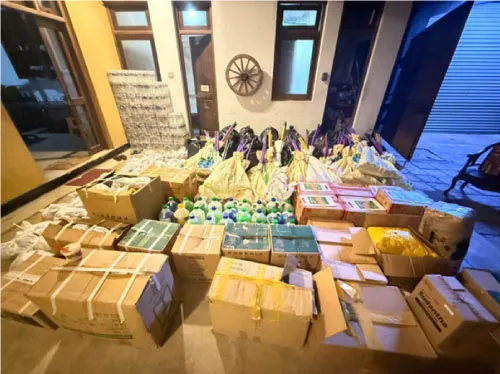
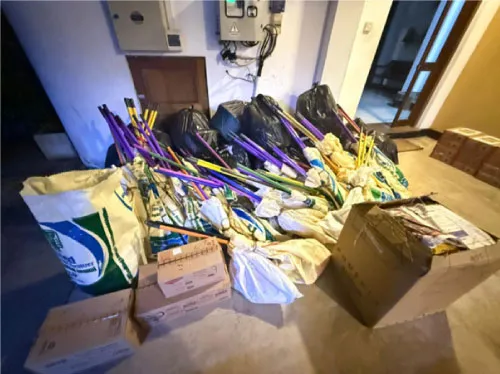
Home Starter Packs assisted families in restarting household activities such as cooking, with essential items including a single-burner gas stove, kitchen tools, storage containers and lighting.
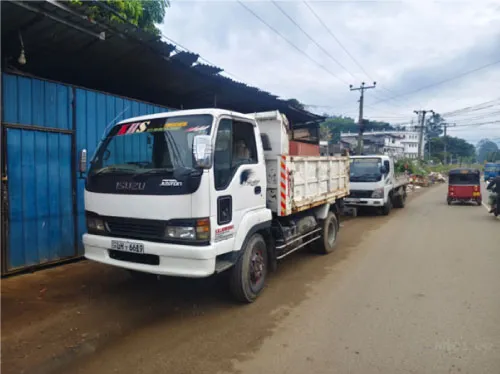
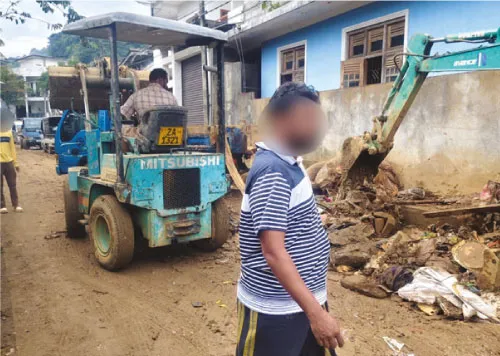
In Gampola, mechanised operations using JCBs and excavators were deployed to clear debris caused by landslides. These efforts helped reopen blocked roads, restore access for emergency vehicles and allow affected families to safely return to their homes.
Sri Lanka still needs your help as it transitions to Phase 3.
-
Sri Lanka Flood Relief 2025
Cyclone Ditwa has triggered devastating floods across Sri Lanka, sweeping through homes, crippling entire towns, and leaving over 833,000 people stranded without food, water, or shelter. Families have lost everything. Children are displaced. Livelihoods have been washed away.RM31,175.01 donated of RM28,000.00 goal
| Impact Area / Activity | Description of Contribution | Aligned UN SDG(s) |
|---|---|---|
| Emergency Food Assistance | Distribution of cooked meals, food packs and essential rations to flood- and landslide-affected households | SDG 2 – Zero Hunger |
| Clean Water Provision | Supply of potable water to displaced families and communities with disrupted access | SDG 3 – Good Health & Well-Being |
| Hygiene & Sanitation Support | Provision of hygiene packs, cleaning kits and sanitation supplies to prevent disease outbreaks | SDG 3 – Good Health & Well-Being |
| Women & Girls’ Dignity Support | Distribution of sanitary pads and gender-sensitive relief items in displacement settings | SDG 5 – Gender Equality |
| Emergency Shelter & Household Stabilisation | Support for displaced families through household cleaning assistance and home starter packs |
SDG 1 – No Poverty SDG 11 – Sustainable Cities & Communities |
| Debris Clearance & Access Restoration (Gampola) | Use of JCBs and excavators to clear landslide debris, reopen roads and restore access to communities | SDG 11 – Sustainable Cities & Communities |
| Education Continuity (Indirect) | Clearing access routes and supporting recovery to enable schools used as shelters to resume operations | SDG 4 – Quality Education |
| Support to Vulnerable & High-Risk Communities | Targeted assistance to districts with high poverty rates and disaster exposure | SDG 10 – Reduced Inequalities |
| Disaster Recovery & Community Resilience | Early recovery interventions supporting safe return, mobility and basic livelihoods | SDG 11 – Sustainable Cities & Communities |
| Cross-Border & Multi-Stakeholder Collaboration | Joint humanitarian response involving NGOs, private sector, donors and diplomatic missions | SDG 17 – Partnerships for the Goals |
We extend our heartfelt appreciation to every donor, partner and volunteer who stood with us in responding to the humanitarian crisis caused by Cyclone Ditwah in Sri Lanka. Your generosity, compassion and trust made it possible to deliver timely and meaningful assistance to communities facing immense hardship.
This humanitarian response was made possible through the collective efforts of the Malaysian Ceylonese Congress (MCC), BAC Education, GiveBACk.my and Uplift, with the valued support of the High Commission of Sri Lanka in Malaysia.
We are especially grateful to our on-ground partners – SOS Sri Lanka, Suvadi, Vanni Hope, and the Sathya Sai International Organisation of Sri Lanka – whose local knowledge, rapid mobilisation and tireless efforts ensured that aid reached the most vulnerable communities swiftly and effectively.
Thanks to this strong network of partnerships and the generosity of donors, we were able to provide critical assistance to 10,475 Sri Lankans and 100 animals across the island, delivering emergency relief, restoring access in landslide-affected areas, and supporting families as they began their recovery journey.
This collective effort stands as a powerful example of cross-border solidarity and partnership in action. Thank you for making a meaningful difference when it mattered most.